Brain Tumor Surgery Cost in China: Craniotomy, ICU, and Pathology Fee Breakdown
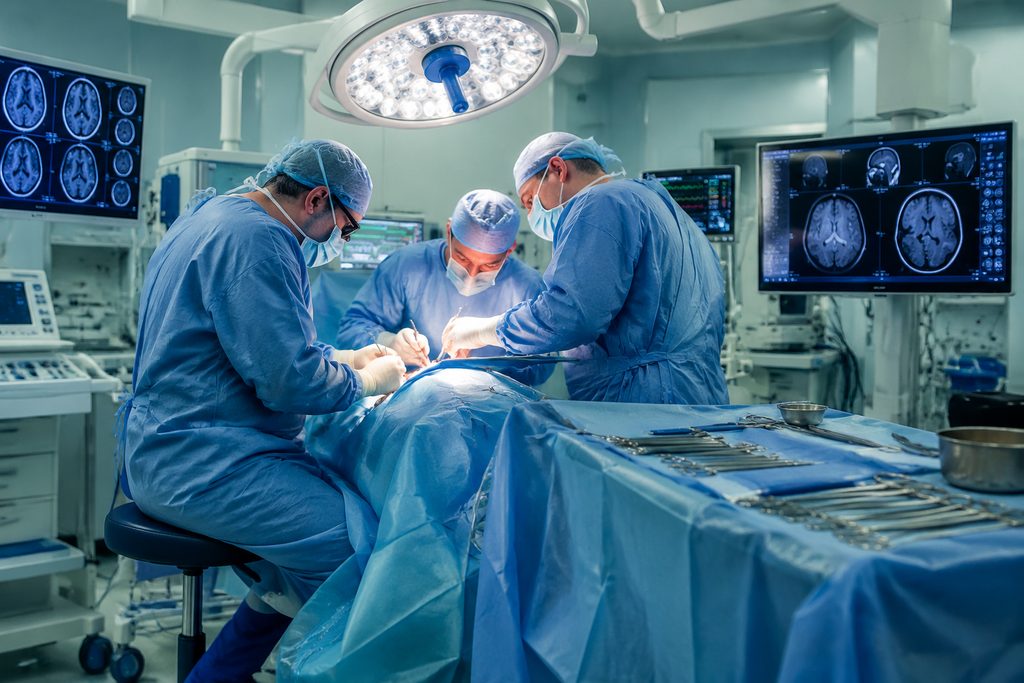
When 42-year-old Michael first heard the diagnosis—a glioblastoma nestled deep in his right temporal lobe—he had no idea where to start looking for treatment. His insurance had a network. That network had a single neurosurgeon. The wait for a first consultation stretched to six weeks. And the estimated out-of-pocket cost, even with coverage, loomed somewhere north of $70,000. Michael started searching for alternatives. He typed into Google: “brain tumor surgery cost China.”
That search leads many patients and their families here. To a place of difficult questions and, often, surprising answers.
Key Takeaways
- A craniotomy for brain tumor resection in China typically costs between $15,000 and $35,000 USD, roughly 50-70% less than the average US cash price.
- High-volume neurosurgery centers in Shanghai and Beijing perform thousands of intracranial procedures annually, building deep clinical expertise.
- Language barriers and fragmented hospital billing systems make independent price comparison extremely difficult for international patients.
- The final invoice has three major components: the surgical procedure itself, ICU recovery, and pathology—each priced separately.
The Problem: Decoding an Opaque Medical Bill
A brain tumor diagnosis is terrifying enough. What comes next—the financial reckoning—can feel like a second trauma. In the United States, the average cost of a craniotomy for a malignant brain tumor ranges from $50,000 to $150,000 before insurance negotiates. A 2022 study published in Neurosurgery found that patients with high-grade gliomas faced mean hospitalization costs of $138,767 in the first year after diagnosis. These are staggering numbers.
And they’re not the whole picture. That figure often excludes the pathology report. It might not cover the extended ICU stay. It certainly doesn’t include the airfare and hotel bills if you’re traveling for care. Patients are left comparing apples to oranges—one hospital bundles everything, another itemizes each gauze pad. For anyone researching the brain tumor surgery cost China offers, the first challenge isn’t the price tag. It’s understanding what you’re actually paying for.
Who We Are
We are not a hospital. We do not provide medical treatment or clinical diagnoses. Our team serves as a medical concierge, bridging the gap between international patients and China’s top-tier neurosurgery centers. We help you understand the cost breakdown, connect you with the right surgeons, and manage the logistical maze—from visas to post-operative recovery. We are your guide, not your doctor. Humble, but deeply informed.
Why China’s Neurosurgery Centers Deliver Comparable Outcomes at Lower Cost
Lower cost does not mean lower quality. That’s a mental hurdle many Western patients struggle to clear. But the evidence is there, rooted in structural economic realities and clinical volume.
Clinical Volume Drives Surgical Precision
Surgeons get better the more they operate. This isn’t opinion—it’s surgical epidemiology. A neurosurgeon at a major Chinese center like Huashan Hospital in Shanghai may perform over 400 brain tumor resections annually. The average US neurosurgeon performs approximately 60. That gap matters. High-volume centers develop refined workflows, specialized nursing teams, and intraoperative protocols that low-volume centers simply cannot replicate. When you ask about the craniotomy price China hospital systems charge, you’re also paying for that concentrated expertise.
Structural Cost Advantages Without Compromising Technology
China’s top hospitals deploy the same intraoperative MRI, neuronavigation, and fluorescence-guided resection tools found in any leading Western medical center. The difference lies in labor costs and hospital operational efficiency. A senior neurosurgeon’s salary in China is a fraction of their US counterpart’s. Nursing labor, pharmaceutical costs, and device pricing all trend lower. These savings pass through to the patient without any need to cut corners on equipment or sterility. It’s a different economic model, not a different standard of care.
The Best Brain Tumor Hospital Shanghai Price Comparison
Shanghai has emerged as a global neurosurgery hub. Patients frequently ask about the best brain tumor hospital Shanghai price benchmark. Huashan Hospital’s Department of Neurosurgery handles over 17,000 surgeries per year. Beijing Tiantan Hospital, another top center, performs more than 15,000. When you compare their all-inclusive craniotomy packages to equivalent procedures at Mayo Clinic or MD Anderson, the price difference is stark: $20,000-$30,000 in China versus $70,000-$120,000 in the US. These are cash-pay estimates, uninsured. For patients facing high deductibles or excluded conditions, that spread changes everything.
What Is Brain Tumor Surgery Cost Breakdown China: The Three-Part Invoice
Anyone asking what is brain tumor surgery cost breakdown China needs to understand that Chinese hospitals typically itemize three separate billing categories. Western hospitals often bundle these. Here, you’ll see each line item clearly.
The Craniotomy Procedure Itself
This covers the surgeon’s fee, operating room time, anesthesia, and basic surgical supplies. Depending on tumor complexity and hospital tier, expect $10,000 to $20,000 USD. A straightforward meningioma resection sits at the lower end. A complex skull-base tumor requiring extended operative time runs higher. The surgeon’s reputation influences this—a department chair’s fee exceeds a junior attending’s, though both operate within the same team structure.
ICU After Brain Surgery China: Daily Costs Add Up
Almost every craniotomy patient spends at least one night in intensive care. Many spend three to five. This is where costs can surprise families. The question how much is ICU after brain surgery China doesn’t have one flat answer. A standard neurosurgical ICU bed costs $800 to $1,500 per day at a top-tier public hospital. A private ICU suite in an international wing can reach $2,500 daily. These fees cover continuous monitoring, arterial line management, and the 1:1 or 1:2 nurse-to-patient ratio that post-craniotomy care demands. If complications arise—vasospasm, cerebral edema, infection—the ICU stay lengthens, and costs climb accordingly.
Pathology and Molecular Diagnostics
The pathology report is the most important document you’ll never read. It determines everything: diagnosis, prognosis, chemotherapy eligibility. Chinese pathology labs charge $500 to $2,000 for a comprehensive brain tumor workup, including immunohistochemistry and molecular markers like IDH1 mutation and MGMT promoter methylation status. In the US, the same panel can exceed $5,000. This is not a corner worth cutting. An incomplete pathology report leads to an incomplete treatment plan. The best centers run these assays in-house, turning results around in 5-7 days.
What You Need to Know Before Going Alone
We’ve seen patients try to arrange brain tumor surgery in China independently. Some succeed. Many stall out at the first administrative hurdle. These barriers are real, and they’re structural.
- Medical Visa Requirements: China’s S2 visa for medical treatment requires an invitation letter from a licensed hospital, plus medical records translated into Chinese. Hospitals don’t issue these letters without a confirmed treatment plan. And you can’t get a treatment plan without a consultation. It’s a chicken-and-egg problem that traps many independent travelers.
- Fragmented Billing Systems: Chinese hospitals do not publish standardized price lists in English. The neurosurgery department, ICU, and pathology lab bill separately. You might receive three different invoices on three different days, each from a different cashier window. Without someone to consolidate and explain these charges, you’re flying blind.
- Language and Cultural Navigation: Informed consent forms, surgical agreements, and post-operative instructions will be in Chinese. Google Translate cannot handle medical terminology reliably. A mistranslated “do not eat” versus “do not drink” before surgery has real consequences.
How We Help You Navigate This
These barriers exist for structural reasons. We solve each one. Before you travel, we collect your medical records, have them professionally translated, and submit them to the appropriate neurosurgery departments. We secure the invitation letter needed for your visa. During treatment, we provide a bilingual coordinator who sits with you during the surgeon consultation, translates the consent forms, and explains each line item on every invoice. After discharge, we coordinate follow-up imaging schedules and help you understand the pathology report’s implications for adjuvant therapy. Our goal is simple: you focus on recovery. We handle the rest.
For patients ready to move forward, we can help you book brain tumor surgery package China through the right channel—not by pushing any single hospital, but by matching your specific tumor type and clinical needs to the center best equipped to handle it. Some tumors demand a skull-base specialist. Others need a center with an integrated neuro-oncology department for post-op chemoradiation. The match matters more than the brand name.
Frequently Asked Questions
For the top 10-15 neurosurgery centers, yes. These hospitals publish outcomes data in peer-reviewed international journals, use the same WHO-grade surgical protocols, and participate in multinational clinical trials. The gap is not in surgical skill—it’s in the patient experience infrastructure, which is why having a local guide matters.
Complication rates for craniotomy in China’s major centers mirror global benchmarks: roughly 2-5% for serious adverse events. Chinese hospitals are equipped to manage post-operative hemorrhage, infection, and cerebral edema. The real question is communication during a crisis. Our team remains on-site throughout your ICU stay to ensure you understand what’s happening and what options are available.
Most Western insurance plans do not provide direct reimbursement for elective surgery in China. Some international plans with out-of-network benefits may reimburse a portion after the fact. We recommend obtaining a detailed pre-authorization from your insurer and securing a cash-pay estimate from the hospital before committing. We help you gather both documents.
Plan for a minimum of 3-4 weeks. This allows for the surgery itself, 5-7 days of inpatient recovery, staple or suture removal, and a post-operative MRI before you fly. Flying too soon after a craniotomy carries a risk of pneumocephalus expansion from cabin pressure changes. Most surgeons will not clear you for a long-haul flight until at least 14 days post-op, and only then if imaging looks clean.
Many international patients complete surgery in China and return home for adjuvant therapy. The pathology report and surgical summary we help you obtain will be formatted to meet the standards of your home oncologist. If you prefer to stay in China for the full treatment course, we can coordinate with radiation oncology and medical oncology departments at the same hospital or a partner facility. This adds time and cost, but it keeps your entire care continuum under one roof.
Your Next Step
A brain tumor diagnosis throws your life into uncertainty. The financial path forward doesn’t have to be part of that chaos. China’s top neurosurgery centers offer a combination of high surgical volume, modern technology, and transparent pricing that is worth serious consideration. The key is walking in with your eyes open, your records organized, and someone who speaks the language—both literally and medically—at your side.
If you’re ready to understand your specific options, our team is here. No pressure. No pitch. Just clear answers to the questions that keep you up at night. Start by exploring our hospital rankings database to see which Chinese neurosurgery centers match your clinical needs, or read our related article on emerging brain cancer immunotherapy research in China. When you’re ready to talk, tell us what you need—we’ll help you find the right option at no charge.
For more medical information and treatment options in China, visit tochinamed.com (ToChinaMed).